Sterile barrier systems (SBS) are essential for maintaining the sterility of medical devices from the point of sterilization until the point of use. Ensuring their effectiveness over the intended shelf-life is critical. Shelf-life validation involves both accelerated and real-time aging studies to predict and confirm the performance of the SBS.

  • Sterile Barrier System (SBS): A packaging system that maintains the sterility of its contents.
  • Shelf-life: The time period during which the SBS maintains its integrity and functionality.
  • Accelerated Aging: A testing method that uses elevated temperature to simulate the effects of time on materials to predict shelf-life in a shorter period.
  • Real-Time Aging: A testing method that involves storing the SBS under normal conditions for the intended shelf-life period.

Regulatory Guidelines

  • ISO 11607-1 & 2: These international standards provide the requirements for packaging materials and systems for terminally sterilized medical devices.
  • ASTM F1980: This standard guide for accelerated aging of sterile barrier systems provides protocols for designing and conducting accelerated aging studies.

Steps for Shelf-life Validation

1. Planning

Objective: Define the scope, identify the SBS to be tested, and develop a validation plan.

  • Identify SBS: Determine the specific materials and configurations to be tested.
  • Define Shelf-life: Specify the intended shelf-life based on product requirements and regulatory guidelines.

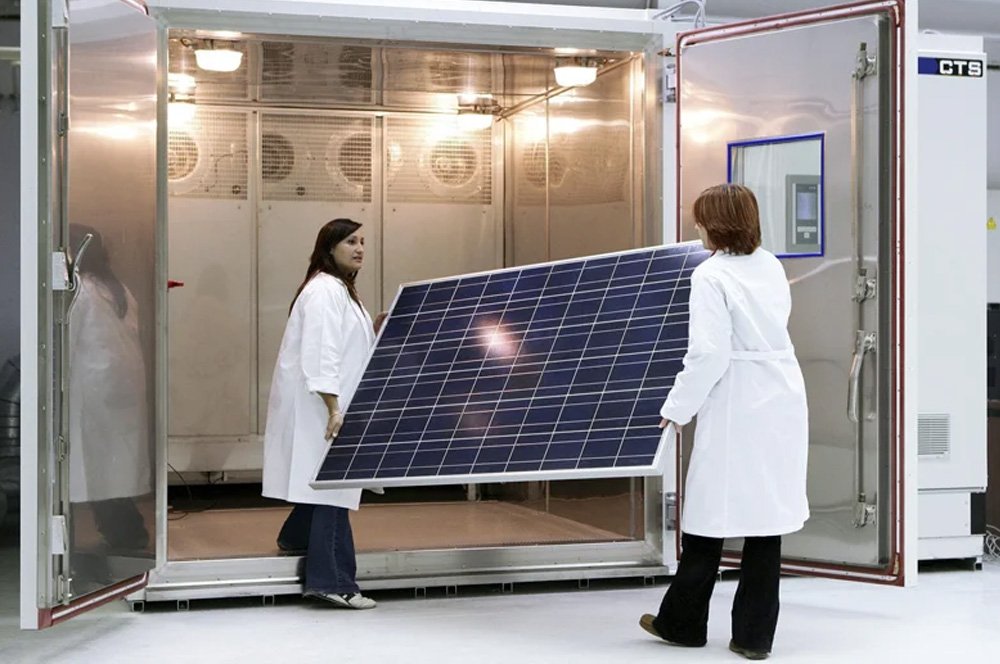
2. Accelerated Aging Study

Objective: Predict the shelf-life of the SBS using accelerated conditions.

  • Determine Aging Factor (Q10): Commonly, a Q10 value of 2 is used, implying that a 10°C increase in temperature doubles the rate of aging.
  • Select Test Conditions: Based on the Q10 value, choose the appropriate elevated temperature (e.g., 55°C, 60°C) and duration. For example, to simulate 5 years of aging:
  • Perform Accelerated Aging: Store the SBS at the chosen elevated temperature for the calculated duration.

3. Real-Time Aging Study

Objective: Confirm the predicted shelf-life under actual storage conditions.

  • Store Samples: Place SBS samples under normal storage conditions for the entire intended shelf-life period.
  • Periodic Testing: Conduct testing at regular intervals (e.g., annually) to monitor the integrity and functionality of the SBS.

4. Testing

Objective: Assess the performance of SBS after aging.

  • Visual Inspection: Check for any visible defects or deterioration.
  • Seal Strength Testing (ASTM F88): Measure the strength of seals to ensure they maintain integrity.
  • Microbial Barrier Testing (ASTM F1608): Verify the SBS’s ability to prevent microbial penetration.
  • Physical Property Testing: Assess changes in material properties, such as tensile strength (ASTM D882), burst strength (ASTM F1140), and flexibility (ASTM D903).

Data Analysis and Reporting

  • Compare Results: Evaluate the data from both accelerated and real-time aging studies.
  • Determine Shelf-life: Confirm that the SBS maintains its integrity and functionality throughout the intended shelf-life.
  • Documentation: Prepare a comprehensive report detailing the study design, methods, results, and conclusions.

Shelf-life validation of sterile barrier systems through accelerated and real-time aging studies is crucial for ensuring the safety and efficacy of medical devices. Adhering to regulatory guidelines and employing robust testing methods will provide confidence in the long-term performance of SBS

References

  • ISO 11607-1:2019, Packaging for terminally sterilized medical devices – Part 1: Requirements for materials, sterile barrier systems, and packaging systems.
  • ISO 11607-2:2019, Packaging for terminally sterilized medical devices – Part 2: Validation requirements for forming, sealing, and assembly processes.
  • ASTM F1980-21, Standard Guide for Accelerated Aging of Sterile Barrier Systems for Medical Devices.
  • ASTM F88/F88M-15, Standard Test Method for Seal Strength of Flexible Barrier Materials.
  • ASTM F1608-16, Standard Test Method for Microbial Ranking of Porous Packaging Materials (Exposure Chamber Method).
  • ASTM D882-18, Standard Test Method for Tensile Properties of Thin Plastic Sheeting.
  • ASTM F1140/F1140M-19, Standard Test Methods for Internal Pressurization Failure Resistance of Unrestrained Packages for Medical Applications.
  • ASTM D903-98(2017), Standard Test Method for Peel or Stripping Strength of Adhesive Bonds.
Posted in
Articles